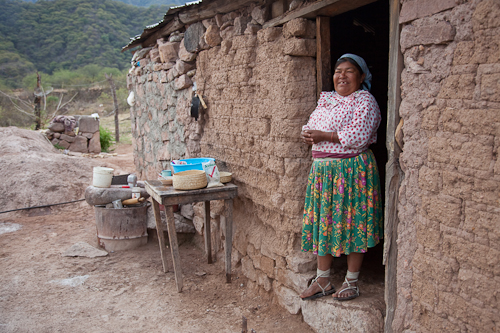
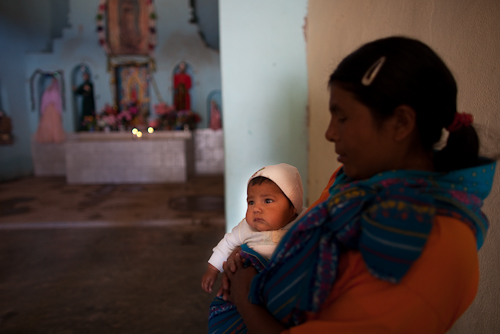
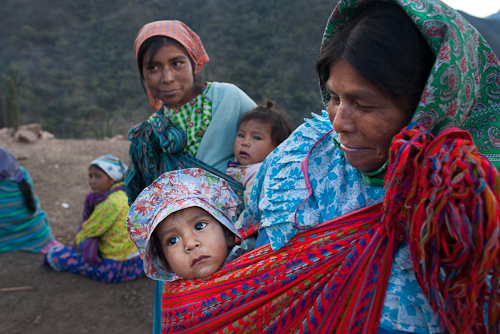
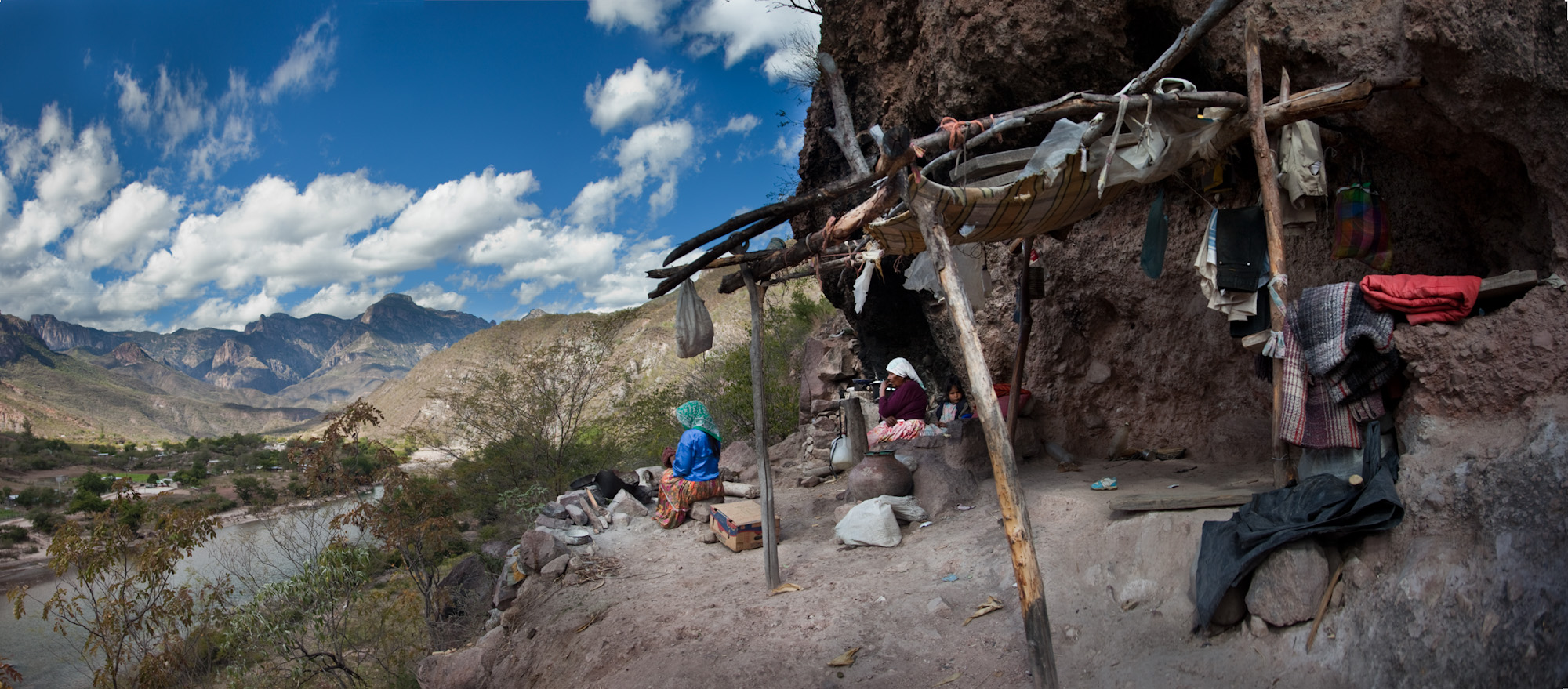
When One HEART decided to begin its program to address maternal mortality with the indigenous Tarahumara in Northern Mexico they contracted with Alisun Chopel to do a feasibility study for the program. Alisun was a student working on her Masters Degree in Public Health at UC Berkeley. She applied for an internship with One HEART got a scholarship to cover her expenses and headed for Mexico. Alisun spent 2 months living in the Sierra Tarahumara meeting with the local health workers and Parteras (traditional birth attendants) to see what their needs were and how One HEART’s methodology could fit into the Tarahumara cultural context. In doing so she not only gained an invaluable life experience, but fulfilled the requirements for her master’s thesis.
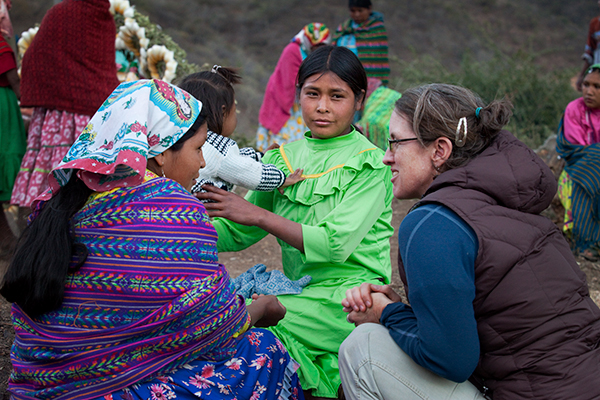
Suzy consulting with Tarahumara mothers
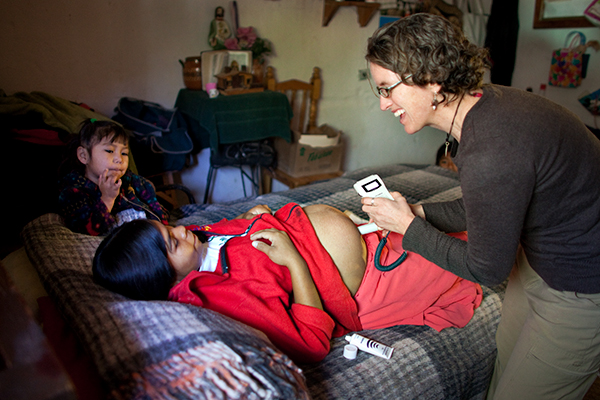
Alisun’s findings prepared the way for Suzy Messer another university student who is currently pursuing her Master’s in Public Health with a concentration in Maternal Health through Boston University’s School of Public Health. Suzy is now the Field Coordinator for the rollout of One Heart’s pilot program in Chihhuahua, Mexico and is using her work there to complete the requirements for her master’s in Public Health.

Suzy visiting villages in the Tarahumara
As I’ve been speaking around the country on women’s issues for the last few years, many university students have come up to me and asked how they could get involved. Like most students they didn’t have money to donate but they wanted to do something. One of the most exciting parts of the Stirring the Fire website is the call to action that offers a myriad of ways — like working with organizations like One HEART — to support women and girls around the world.
When you get a chance check out Take Action on our website with its searchable database of organizations.
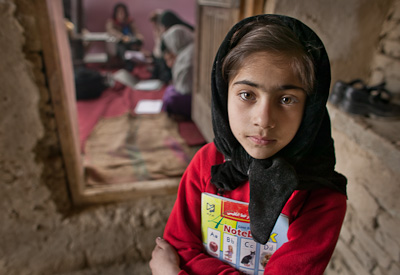

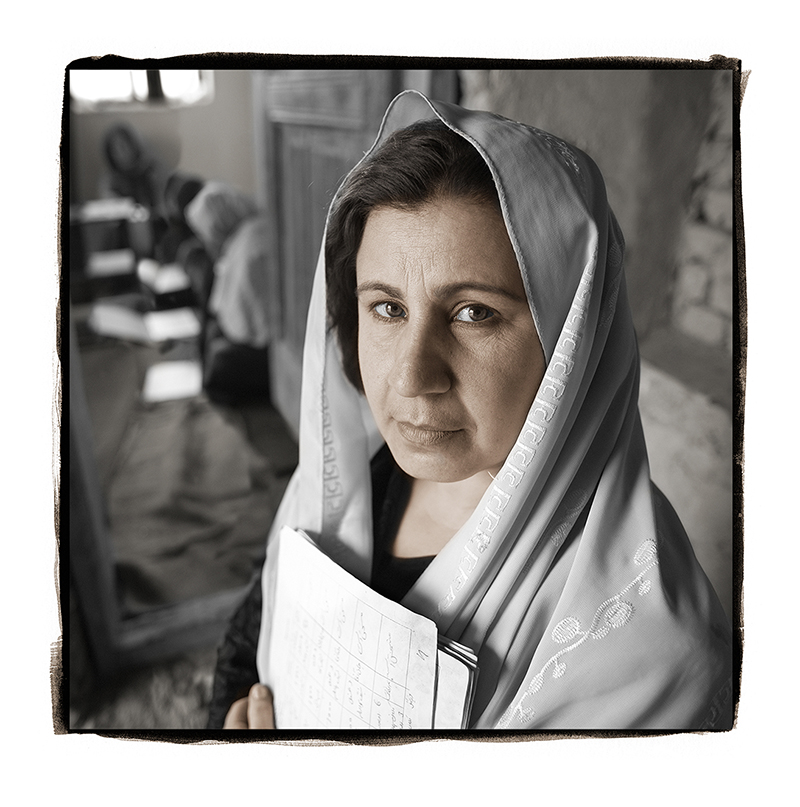 In 2005 I met Fahima, a teacher since 1985. She was one of the thousands of professional women who lost their jobs when the Taliban came to power in 1996. In defiance of the Taliban and at great risk to herself, Fahima opened a clandestine school for young girls. At one point 130 girls were coming to her home each week to study math, science, and the local language, Pushto. When the girls were asked why they were going to Fahima’s house they said she was their aunt. Although harassed by the religious police and threatened with beatings and worse, Fahima continued operating her school for girls until the fall of the Taliban in 2001.